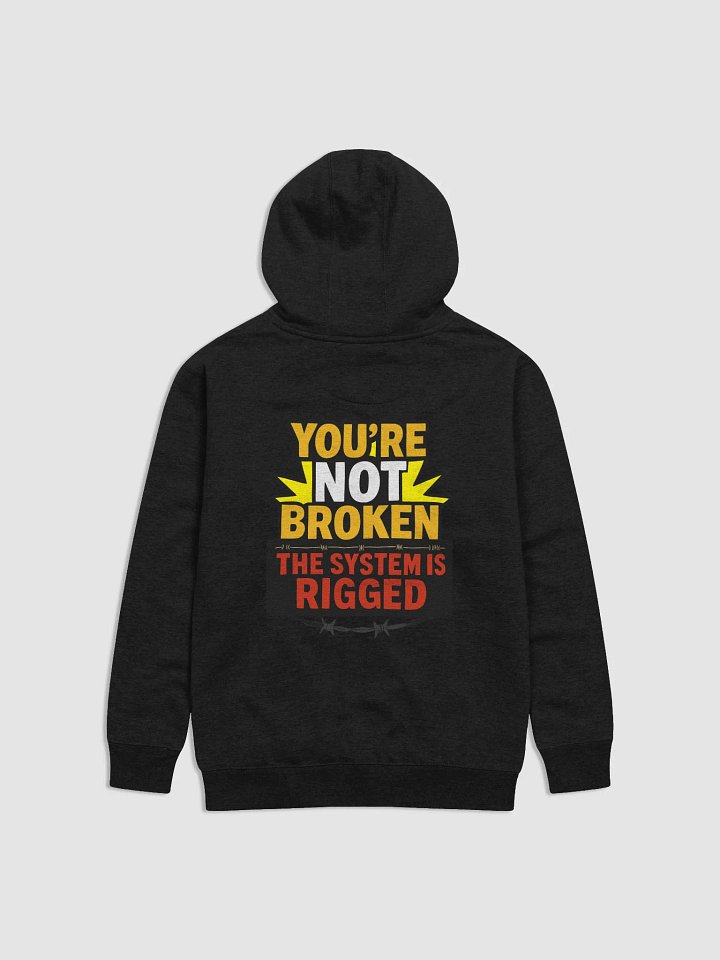

When Suffering Becomes a Signal
The psychology of pleasure, blame, and moral disengagement
Public discourse often struggles to explain a troubling pattern: why some people appear unmoved by the suffering of others—and, in some cases, seem energized by it. Stripped of personalities, parties, and labels, the dynamics at work are psychological, structural, and tragically human.
This essay examines those dynamics without targeting individuals or groups. The goal is understanding—because understanding is the prerequisite for any durable shift toward dignity and shared flourishing.
1. Schadenfreude: Pleasure as Compensation
Psychology has a word for pleasure taken in another’s misfortune: schadenfreude. It is not rare, nor is it confined to any ideology. Research consistently links heightened schadenfreude to low self-esteem, chronic insecurity, and perceived status threat.
When people feel persistently devalued—economically, socially, or culturally—another person’s pain can briefly restore a sense of balance. If I am struggling, then your suffering becomes evidence that the world is not singling me out. Pain becomes comparative relief.
Over time, this relief can turn into a habit.
2. From Responsibility to Blame
A second mechanism often follows: externalization. When circumstances feel immovable—stagnant wages, limited opportunity, declining health—personal agency can feel inaccessible. Blame becomes psychologically cheaper than responsibility.
This is not a moral failure so much as a coping strategy:
-
Responsibility implies effort and risk.
-
Blame offers certainty and emotional release.
Once blame is routinized, it seeks targets. Complex systems are simplified into villains. Social problems become moralized enemies. Dehumanization does the rest.
3. Moral Disengagement and the Addiction Loop
When harming language or policies generate pleasure, the brain reinforces the behavior. What began as emotional relief becomes behavioral reinforcement—a loop similar to other compulsive coping patterns.
Like any reinforcement loop:
-
The stimulus must intensify to achieve the same effect.
-
Outrage escalates.
-
Cruelty normalizes.
-
The moral baseline shifts.
At this point, appeals to decency often fail—not because people are incapable of empathy, but because empathy threatens the coping mechanism that now sustains their self-worth.
4. Identity Over Outcomes
Another key insight: identity protection frequently outweighs lived outcomes. People will defend a narrative that affirms who they are—even if that narrative does not improve their material conditions.
When identity becomes fused with grievance:
-
Contradictory evidence is reframed as attack.
-
Harmful consequences are rationalized.
-
Loyalty becomes proof of virtue.
This explains why some individuals tolerate—or even celebrate—behaviors they would once have rejected. The behavior is no longer evaluated on ethical grounds, but on whether it affirms belonging.
5. Why “The Line” Rarely Appears
Observers often ask, “What would finally be too far?” Psychology suggests an uncomfortable answer: there is rarely a single moral line once disengagement is complete.
Instead, concern tends to reappear only when harm becomes personal and unavoidable. Abstract suffering is easily dismissed; direct loss is not. Until then, the system that produces pleasure-through-hostility remains intact.
6. A Different Question
One of the most corrosive shifts in modern discourse is the replacement of “Are we better off together?” with “Am I winning?”
The former invites shared responsibility.
The latter rewards indifference.
When success is defined purely as personal advantage—status, dominance, symbolic victories—collective well-being becomes irrelevant. Compassion is reframed as weakness. Solidarity as threat.
7. What This Means for Change
If these dynamics are real, then several conclusions follow:
-
Shaming will not work. It strengthens the very mechanisms it seeks to dismantle.
-
Waiting for moral awakening is unreliable. Identity-protective systems resist it.
-
Structural dignity matters. People who experience stability, agency, and respect have less need for pleasure rooted in others’ pain.
The antidote to cruelty is not superior virtue—it is restored dignity, shared security, and pathways to agency that do not require an enemy.
Closing Reflection
Naming suffering clearly doesn’t resolve it — but it can keep it from being mistaken for failure.
Cruelty is rarely the starting point. It is often the byproduct of prolonged insecurity, reinforced by narratives that convert pain into permission.
If a brighter future is possible, it will not be built by defeating people—but by removing the conditions that make dehumanization feel rewarding.
That work is slower. Harder. And infinitely more human.