
Powerful AI tools are becoming part of everyday life — in work, learning, communication, and creativity. Most of us feel both the promise and the tension: speed and convenience on one hand, uncertainty and quiet dependency on the other.
This free checklist exists to help you pause, reflect, and stay grounded when using AI.
It’s not about fear, rules, or technical complexity.
It’s about protecting good judgment, personal responsibility, and the conditions that allow human dignity to remain lived and visible.
Small habits shape big systems.
How we use tools — especially when no one is watching — quietly shapes the future we create together.
What this checklist helps you practice
The AI Safety Checklist gives you a fast, practical way to check in with yourself before sharing, publishing, deciding, or relying on AI output.
In about 30–60 seconds, it helps you reflect on:
-
Whether you truly understand what you’re using or sharing
-
Whether responsibility and authorship remain with you
-
How real people might be affected
-
Whether dependency is quietly forming
-
What long-term habits and norms your choices reinforce
It’s designed to be simple, printable, and easy to return to — at a desk, in a classroom, in a shared workspace, or at home.
No technical background required.
Download the free checklist
You can download a clean PDF copy of the checklist for personal use, printing, or sharing with others.
If you saw this checklist from a printed copy and scanned the QR code, you’re in the right place.
Why this work exists
Much of today’s conversation about AI focuses on speed, efficiency, automation, or fear.
This project begins from a different place: human dignity, agency, and wise stewardship.
Technology can extend what humans can do.
It cannot define what humans are.
Learning to relate to powerful tools thoughtfully is one way people can reclaim agency, strengthen judgment, and build lives that genuinely feel worth inhabiting — individually and together.
This checklist is a small doorway into that practice.
Explore the full guide
If the checklist resonates with you and you’d like deeper structure, reflection, and practical tools, you may also enjoy the full guide:
Bridging the Wisdom Gap
An Ethical Safety Manual for the AI Age
This is a practical guide for people who want to use intelligent tools thoughtfully rather than passively. It focuses on:
-
Strengthening clear thinking and good judgment
-
Avoiding quiet dependency and overconfidence
-
Learning healthy collaboration with tools
-
Designing habits that protect trust and responsibility
You don’t need to be technical.
You just need curiosity, care, and a willingness to think well.
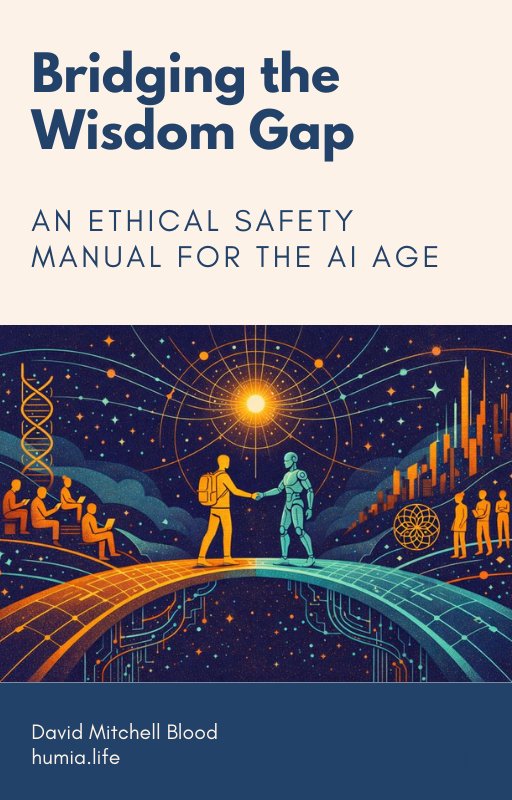


Bridging the Wisdom Gap: An ethical safety manual for the AI age
A quiet concern many people are feeling
Most of us sense that powerful technology is moving faster than human judgment can comfortably keep up.
You may notice it as a low-level unease:
-
Am I still really thinking for myself?
-
Am I becoming too dependent on tools that feel effortless?
-
How do I stay grounded, responsible, and human as technology becomes more capable?
The danger isn’t the tool itself.
The real risk is quietly losing clarity, agency, and good judgment without noticing.
What this guide helps you do
Bridging the Wisdom Gap is a practical guide for learning how to relate to AI wisely — not fearfully, not blindly, and not passively.
This isn’t about productivity tricks or chasing trends.
It’s about strengthening your ability to think clearly, stay responsible, and remain the author of your choices when using powerful tools.
Much like a safety manual for any advanced tool, this guide focuses on:
-
Protecting good judgment
-
Preserving human agency
-
Avoiding quiet dependency
-
Building healthy habits that compound over time
You’ll learn how to work with AI in a way that supports dignity, responsibility, and long-term trust.
What’s inside
This 24-page guide includes five practical modules:
1. The Wisdom Gap – Understanding the difference between power and responsibility
2. Diagnosing Your Relationship – Spotting when thinking begins to go quiet or dependent
3. The Art of Co-Agency – Moving from replacement to real partnership
4. The Mental Gym – Rebuilding healthy friction and resisting echo chambers
5. Stewardship – Designing habits with positive ripple effects
You’ll also receive:
-
10 ready-to-use Value Preamble templates
-
A Constructive Tension Question Bank
-
A lightweight Verification Checklist
No technical background required.
Why this matters now
Powerful tools are becoming normal in everyday life.
How we use them shapes our future — quietly but meaningfully.
Your value is not based on speed, efficiency, or usefulness.
You matter because you are a conscious, meaning-making human being capable of care, responsibility, and growth.
Wise use of technology isn’t about competing with machines.
It’s about protecting the conditions that allow dignity, trust, and agency to remain lived and visible.
Is this for you?
This guide is for you if you:
-
Want to stay mentally sharp and grounded while using AI
-
Care about ethics, responsibility, and human impact
-
Prefer thoughtful tools over hype or shortcuts
-
Want practical guidance without technical complexity
This guide is not for you if you:
-
Are looking for hustle tactics or automation hacks
-
Want purely technical or coding instruction
-
Prefer outsourcing judgment rather than strengthening it
Product details
Format: Digital PDF
Length: 24 pages
Includes: Templates, thinking tools, practical exercises
Price: $25 (Stewardship Tier)
About the author
David M. Blood explores what helps people remain fully human inside systems that often reduce or instrumentalize them.
As an Air Force veteran and founder of humia.life, he builds tools and writing focused on dignity, ethical technology, shared prosperity, and lives that genuinely feel worth inhabiting.
About Humia
This work is part of the site you are on now, humia.life — a growing library and learning ecosystem dedicated to:
-
Human dignity as a lived practice
-
Wise and responsible technology
-
Hopeful systems design
-
Lives that feel worth inhabiting
The goal is not control or perfection.
It’s learning how to shape the systems shaping us with care, responsibility, and imagination.
You’re warmly invited to explore this site, revisit ideas over time, and engage at your own pace.
🌱 Support & Participation
This project is created and maintained independently by David M. Blood as part of the broader humia.life initiative. If this checklist or guide has been helpful to you, and you’d like to support the continued development of this work — or participate more closely in the evolving conversation — you’re welcome to explore the community and support space on Ko-fi. There is no obligation. Your curiosity, thoughtful use, and sharing of these ideas already matter.