
Design for Human Flourishing
How harmony with nature, human scale, and lived experience shapes well-being
Design Is Never Neutral
Design is not merely aesthetic. It is not decoration applied after the fact. Design shapes behavior, distributes power, and quietly teaches people how to move, feel, and relate—to themselves, to one another, and to the world.
Every environment carries assumptions about human beings. Some assume humans must be controlled, optimized, or corrected. Others assume humans are capable of balance, dignity, and growth when given supportive conditions.
Whether intentional or not, design answers a fundamental question:
Who must adapt—people, or the systems they inhabit?
Human flourishing depends on the answer.
Fitness as Harmony, Not Domination
In nature, survival does not favor what dominates its environment. It favors what fits.
Living systems endure through alignment: responsiveness to context, efficient use of energy, adaptability, and balance with surrounding conditions. Domination produces short-term gains, but long-term fragility. Harmony produces resilience.
When human systems mirror domination—oversized, extractive, rigid—they exhaust both people and ecosystems. When they mirror harmony—human-scaled, adaptive, responsive—they support life.
Good design is not about imposing order.
It is about discovering fit.
Architecture as Embodied Philosophy
Architecture is philosophy made physical. It reveals what a culture believes about the human body, daily life, and our relationship to nature.
Some buildings impress. Others care.
Across cultures and eras, certain design traditions have consistently supported human well-being—not because they are fashionable or nostalgic, but because they align with human actuality.
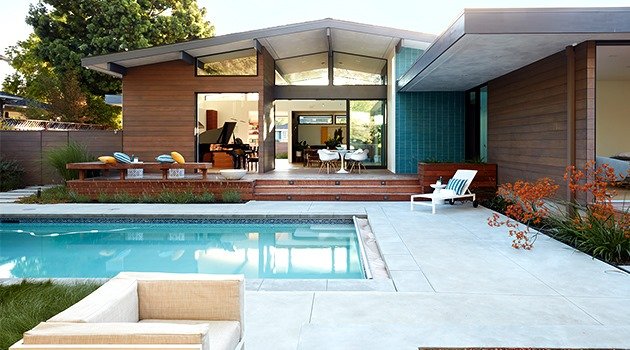
Mid-Century Modern: Light, Openness, and Human Scale
Mid-Century Modern design emerged in response to industrial excess and social upheaval, yet it rejected monumentality and ornament for their own sake.
Its enduring strengths include:
-
Human-scaled spaces rather than intimidating proportions
-
Large windows that invite daylight and restore circadian rhythm
-
Open plans that encourage connection without crowding
-
Seamless transitions between indoors and outdoors
These homes do not overwhelm the nervous system. They reduce cognitive load. They allow people to breathe, move, and gather naturally.
Flourishing here is not accidental—it is designed.

Usonian Architecture: Dignity Without Excess
Frank Lloyd Wright’s Usonian homes were built on a radical premise: that good design should serve ordinary life, not elite display. What began as an architectural philosophy quietly reshaped much of American housing, influencing generations of architects who adopted and adapted these principles for middle-class neighborhoods across the country.
Usonian principles included:
-
Modest scale and affordability
-
Natural materials that age honestly
-
Homes designed for living, not status
-
Integration with the land rather than dominance over it
These spaces offer dignity without spectacle. They communicate that human worth does not require excess—and that beauty and care need not be reserved for the wealthy. That message matters.
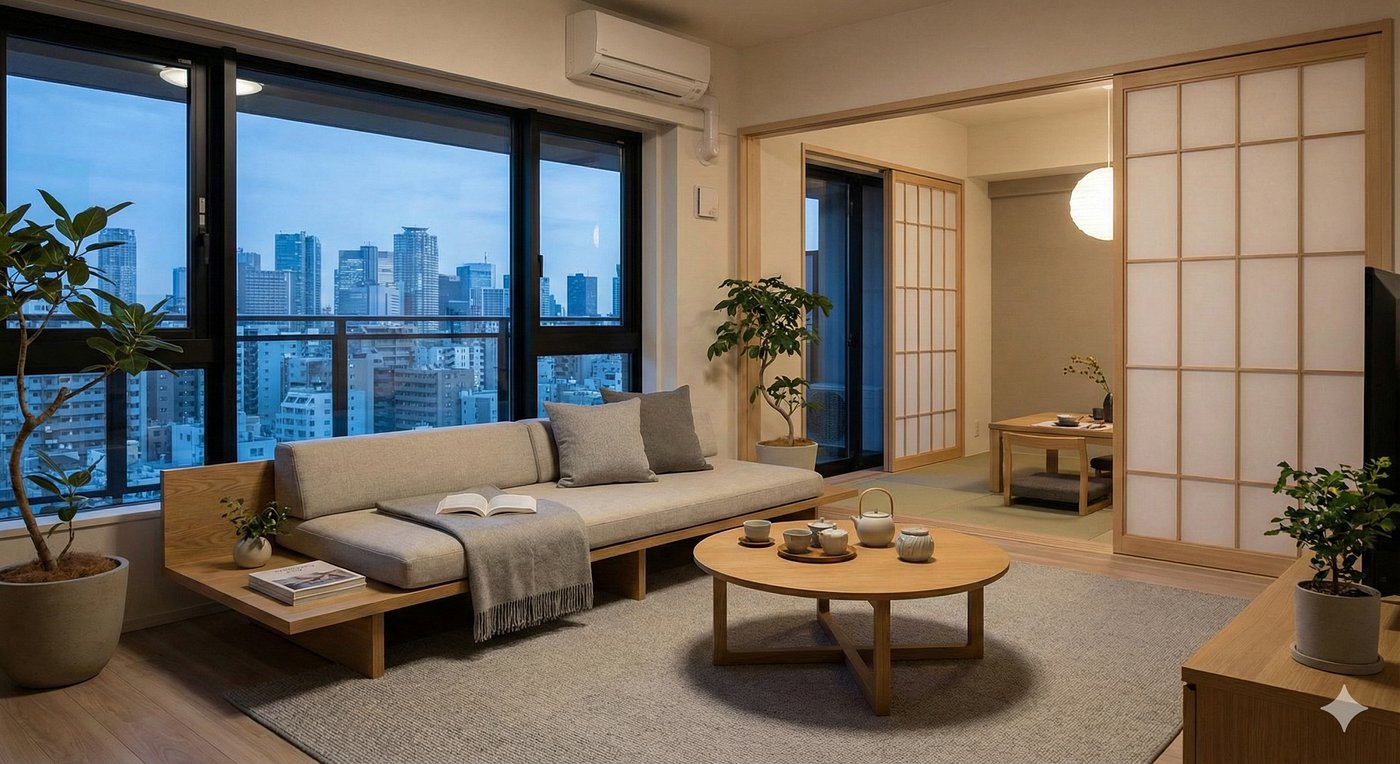
Japanese Design Traditions: Presence, Impermanence, and Balance
Traditional Japanese design approaches the human experience with remarkable psychological insight.
Key elements include:
-
Respect for negative space, allowing the mind to rest
-
Flexible interiors that adapt to changing needs
-
Materials that reveal impermanence rather than hide it
-
A porous boundary between inside and outside
These environments encourage presence over performance. They invite attention to the moment rather than constant stimulation.
Flourishing here arises from restraint, not deprivation.
What These Traditions Share
Despite cultural distance, these design philosophies converge on a shared understanding:
-
Humans thrive at a human scale
-
Nature is a partner, not a backdrop
-
Simplicity supports clarity
-
Beauty need not dominate to endure
-
Space should invite being, not constant doing
These designs succeed not because they are old, but because they align with how humans actually live, perceive, and feel.
They respect human limits—and human potential.
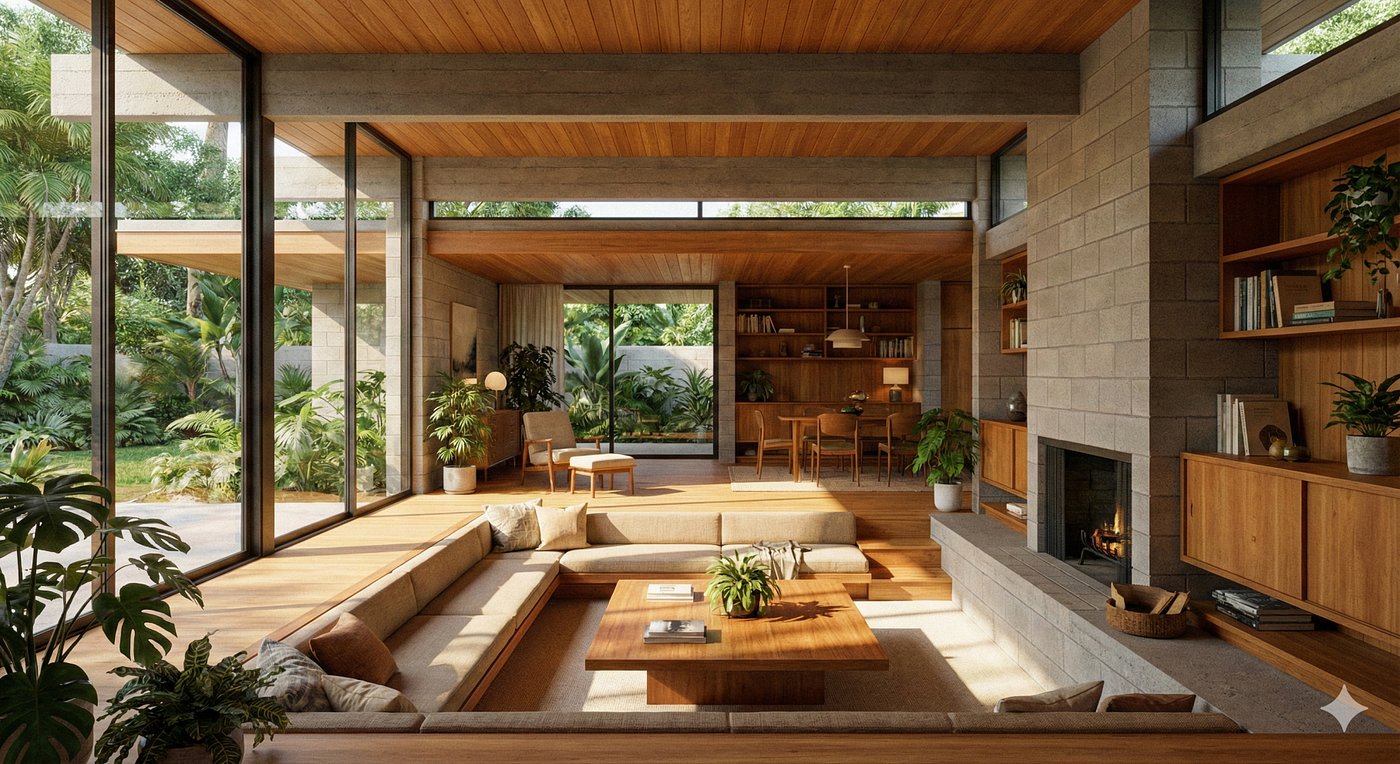
Materials as Truth, Not Disguise
Another defining trait these traditions share is a respect for materials and construction as integral to the design itself, rather than something to be concealed.
In Mid-Century Modern and Usonian architecture, wood looks like wood. Stone looks like stone. Structure is often visible, not hidden behind ornament or false finishes. In Japanese design, this principle goes even further: joinery, grain, aging, and imperfection are not flaws to be corrected but realities to be honored.
This matters because materials communicate values.
When construction is hidden, disguised, or simulated, it teaches a subtle lesson: that appearance matters more than substance, and that reality should be masked rather than understood. When materials are honest, people inhabit spaces that model coherence—where what something is aligns with how it appears.
Honest materials also age well. They change visibly over time, reminding us that life is not static and that continuity does not require artificial perfection. Flourishing, here, is not frozen youthfulness or glossy control, but durability with grace.
In this sense, material honesty becomes ethical honesty. It reinforces trust, reduces cognitive dissonance, and grounds human experience in reality rather than illusion.
Good design does not cover over what sustains it.
It lets structure, material, and purpose speak together.
From Buildings to Systems
The same principles apply beyond architecture.
Cities, institutions, digital platforms, and technologies are also designed environments. They shape behavior just as walls and windows do.
Systems that surveil, overwhelm, extract, or fragment mirror bad architecture: monumental, indifferent, and exhausting. Systems that support dignity, clarity, and agency mirror good design: adaptive, humane, and resilient.
Artificial intelligence, too, is an environment—one that can either amplify human flourishing or deepen alienation depending on how it is designed.
The question remains the same:
Who must adapt?
Design as a Moral Responsibility
Design always makes a choice.
It either adapts systems to human life—or forces humans to contort themselves to fit systems. The former cultivates dignity. The latter manufactures shame, exhaustion, and fragmentation.
A flourishing future will not emerge from better control or tighter optimization. It will emerge from better fit—systems aligned with human biology, psychology, and our interdependence with nature.
Design for human flourishing is not a style.
It is a responsibility.
And it begins wherever we choose harmony over domination.