The Operating System We Run — and the World It Produces
Your life is shaped by the operating system running in your mind.
This operating system isn’t software.
It’s perspective — the story through which you understand yourself, other people, and the world you live in.
Perspective determines what feels normal, what feels possible, and what kinds of systems seem “reasonable.” Over time, those systems reflect the assumptions they were built on.
Change the operating system, and the world that emerges changes with it.
The Old OS: The Deficit Perspective
For much of recent history, our culture has run on an operating system built around a simple, corrosive assumption:
You are a problem to be solved.
This perspective treats human beings as inherently insufficient — not quite capable, not quite trustworthy, not quite enough on their own.
It shows up as:
-
the inner critic that never fully quiets
-
the pressure to earn worth through productivity or conformity
-
the sense that dignity is conditional and revocable
This is not a personal failure.
It is the predictable result of systems designed under a deficit-based view of humanity.
If people believe they are broken or lacking, they are easier to manage, extract from, motivate through fear, and replace.
The Emerging OS: The Actuality Perspective
As older systems strain and lose credibility, a different operating system is becoming visible — one grounded not in belief, optimism, or ideology, but in observable reality.
Its core assumption is this:
You are not broken. You are capable.
This perspective does not see a defective machine in need of repair.
It sees a living being with real, measurable capacities already present.
Humans can:
-
reason
-
imagine
-
create
-
reflect
-
learn
-
intentionally change course
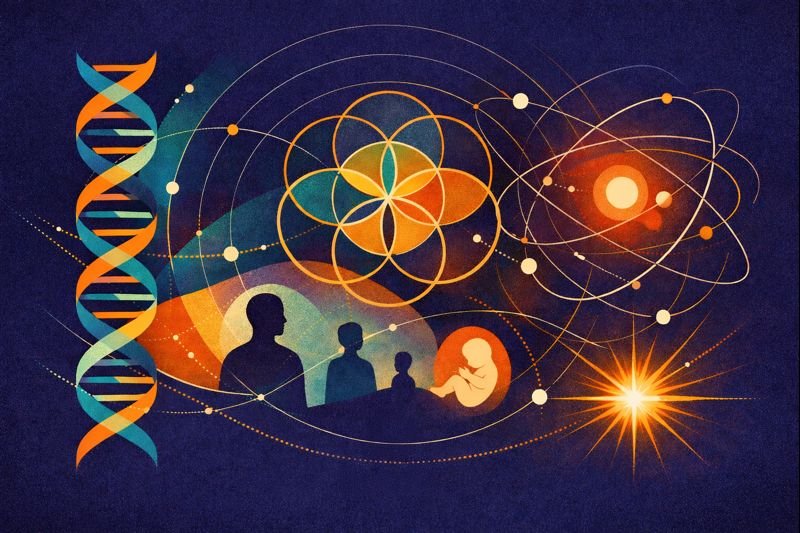
In a vast and largely silent universe, humanity is the only known phenomenon with the demonstrated capacity for conscious self-development.
That actuality — not faith, not achievement, not approval — is the source of inherent human dignity.
What Humia Names
Humia is the name for the condition that emerges when societies take this reality seriously.
It is not an operating system.
It is not a mindset.
It is not a path.
Humia describes a state of affairs — a livable human future — in which systems, technologies, and economies are designed with human dignity and wellbeing as the baseline rather than the reward.
In Humia:
-
people are not treated as defective inputs
-
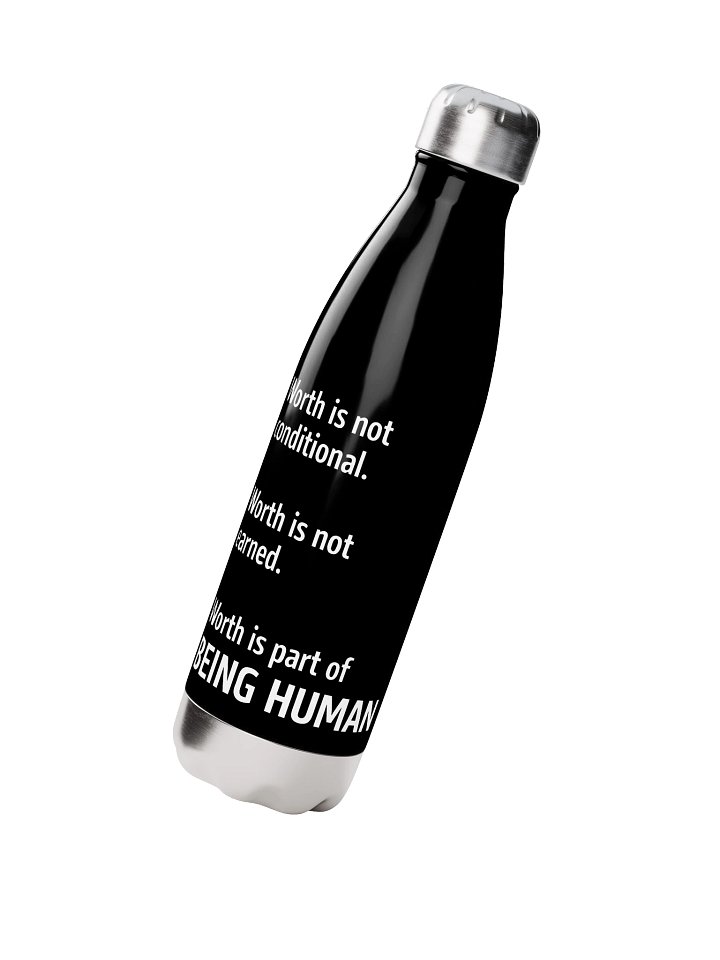
worth is inherent, not earned
-
flourishing is expected, not exceptional
-
progress is measured by lived wellbeing, not extraction alone
Humia is not something individuals achieve.
It is something societies create — or fail to create — through design choices.
Areté: The Human Practice That Follows
The ancient Greeks had a word for the practice of fully using one’s human capacities:
Areté.
Areté does not mean perfection.
It means excellence as practice — skillfully actualizing what is already present.
Areté is not the goal.
It is what naturally emerges when people are no longer constrained by shame, fear, or artificial scarcity.
When dignity is treated as real rather than conditional, people do not need to be coerced into growth. They grow.
Practiced over time, Areté leads not to flawlessness, but to Eudaimonia — a life of coherence, meaning, purpose, and authentic flourishing.
What Changes When the OS Changes
You cannot sell a “fix” to someone who understands they are not broken.
You cannot control through fear someone who recognizes their own inherent dignity.
You cannot addict someone to external validation when their sense of worth is internally grounded.
These are not tactics.
They are consequences of changing the operating system that systems are built upon.
The Question in Front of Us
The question is no longer whether human beings deserve dignity.
The real question is:
Will we continue designing systems as if humans are problems to be managed — or begin designing the world as if human lives are the point?
The Actuality Perspective is the operating system.
Humia is the condition it makes possible.
That choice — conscious or not — is already shaping the future we are building.